
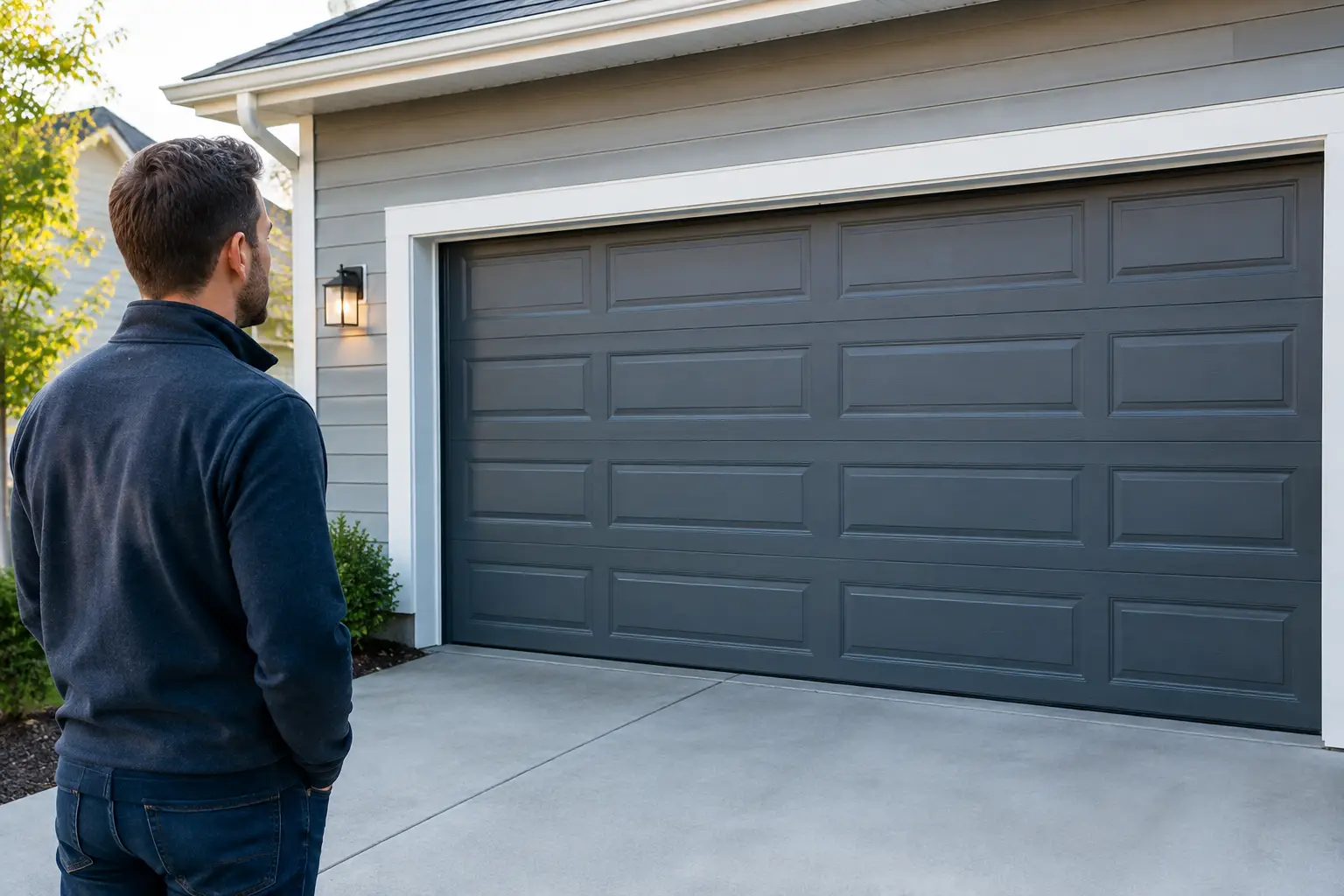
A garage door that will not close all the way is more than an annoyance. It is an open invitation to unwanted access, weather damage, and a stressful night for your household. Real garage security starts with the part most homeowners use every day: a garage door that opens when it should, closes completely, and stays closed.
For many Longmont homes, the garage is not just a place to park. It may hold tools, bikes, storage, work equipment, or a door leading directly into the house. When the door is noisy, crooked, slow, or unreliable, security can slip fast. The good news is that most problems give warning signs before they become a full failure.
Garage Security Depends on a Reliable Door
A garage door does not need to be visibly broken to create a security risk. A door that leaves even a small gap at the bottom can allow wind, snow, pests, and moisture inside. A door that reverses before reaching the floor may never lock into its closed position. A weak or damaged section can also be easier to force or pry than a solid, properly aligned door.
The first thing to check is simple: watch the door run through a full opening and closing cycle. It should move smoothly, sit level, and seal against the floor when closed. If one side hangs lower, the door shakes, or it stops short, do not assume the opener is the only problem. Worn rollers, loose hardware, damaged tracks, cable trouble, or a spring issue can all affect how securely the door closes.
A working automatic opener adds convenience, but the physical door is still the main barrier. If the door is off track, has cracked panels, or does not reach the ground, a new remote will not solve the real problem.
Problems That Can Leave Your Garage Vulnerable
Some garage door problems are obvious. Others are easy to ignore because the door still moves. Pay attention when you notice a change in how it sounds or operates. Grinding, popping, scraping, or heavy vibration often means parts are wearing out or moving out of alignment.
A few common warning signs deserve a prompt inspection:
- The door will not close fully or reverses for no clear reason.
- The door is crooked, sagging, or has a visible gap along the floor or sides.
- The opener runs, but the door does not move or only moves a few inches.
- The door comes down hard, feels unusually heavy, or slams shut.
- Remotes operate inconsistently, or the wall button works differently than the remote.
The trade-off is straightforward. A small repair today may prevent a larger repair, a damaged vehicle, or a security problem later. On the other hand, not every squeak requires a major replacement. A qualified garage door technician can identify whether the fix is adjustment, repair, or replacement and give you a clear estimate before work begins.
Do Not Ignore a Door That Is Off Track
An off-track garage door is one of the most urgent situations. The door may bind, hang at an angle, or become stuck halfway. Trying to force it with the opener can bend the track further, damage rollers, or cause the door to fall unexpectedly.
If your door is off track, stop using it. Keep people and vehicles clear of the opening, especially if the door is partly raised. This is not a good DIY project. Garage doors are heavy, and the tension in the system can make a bad situation worse quickly.
Broken Springs Are a Security and Safety Issue
Springs carry much of the door's weight. When a spring breaks, the opener may hum without lifting the door, or the door may feel far too heavy to move by hand. Some homeowners try to disconnect the opener and lift the door manually, but that can be dangerous.
A broken spring can also leave a door stuck open or unable to close properly. If you cannot get the door fully shut, move valuables away from the opening if it is safe to do so, secure the door from inside when possible, and arrange professional repair as soon as you can. Never attempt to adjust or replace high-tension springs yourself.
Check the Easy Security Basics
Mechanical repairs come first, but a few habits can close common security gaps. Make sure every household member knows not to leave the garage remote in an unlocked car parked outside. If a vehicle is broken into, the remote can provide quick access to the garage and potentially the home.
Use the lock feature on your wall control when you are away for an extended period. This usually disables remote operation while still allowing the door to be used from the interior wall button. The exact function varies by opener model, so check your owner's manual or ask a technician during service.
If your opener has a keypad, use a code that is not easy to guess. Avoid house numbers, birthdays, or simple patterns. Delete old codes when tenants move out, a remote is lost, or you have shared access with contractors. For smart garage door controls, change default passwords and keep the app account secured with a strong, unique password.
These steps help, but they are not a replacement for a door that closes correctly. Electronic controls cannot make up for damaged panels, loose tracks, worn cables, or a failing opener.
Weather Can Expose Weak Garage Doors in Longmont
Front Range weather puts garage doors through real work. Cold mornings can make aging rollers and bearings louder. Wind can stress a weakened door. Snow, ice, and debris at the threshold can interfere with the bottom seal and safety sensors. A door that worked fine in mild weather may start sticking or reversing when temperatures drop.
Check the area around the photo-eye safety sensors near the bottom of the tracks. Both sensors need a clear path between them. Dirt, cobwebs, leaves, or a bumped sensor can prevent the door from closing. Wipe the lenses gently and make sure the sensors are aligned. If the indicator lights do not look normal or the door still will not close, the issue may be wiring, alignment, or something mechanical.
Also look at the bottom weather seal. A worn seal does not usually make a door easy to break into by itself, but it can leave gaps that invite water, cold air, and pests. Replacing it can improve the fit at the floor, especially on uneven concrete. If the door is crooked or has a large gap on one side, however, the seal may not be the root cause.
When Repair Makes Sense and When Replacement Is Better
Garage door repair is often the right answer for a broken spring, worn rollers, damaged cables, misaligned sensors, or an opener issue. These are common problems, and fixing them can restore safe, dependable operation without replacing the entire door.
Replacement may make more sense when the door has severe panel damage, repeated structural problems, extensive rust, or an outdated system that no longer operates safely. If the door has been hit by a vehicle or is badly bent, a technician should inspect the tracks, hardware, and opener as well as the visible panels. Replacing only one damaged part can be possible, but it depends on the door's age, model, and overall condition.
For landlords and property managers, speed matters when a garage door protects a tenant's belongings or gives access to the home. Document the issue, keep tenants away from a damaged moving door, and schedule an inspection rather than waiting for a complete breakdown.
Get Help Before the Door Becomes the Weak Point
Garage security is not about adding gadgets to a door that barely works. It is about making sure the door closes squarely, the opener responds properly, the safety system is working, and worn parts are handled before they fail.
If your garage door in Longmont is stuck, noisy, uneven, or refusing to close, Repair Bro's can inspect the system, explain the problem plainly, and provide a free estimate. A properly repaired garage door lets you leave for work, come home late, and sleep at night without wondering whether the biggest opening in your house is really secure.