
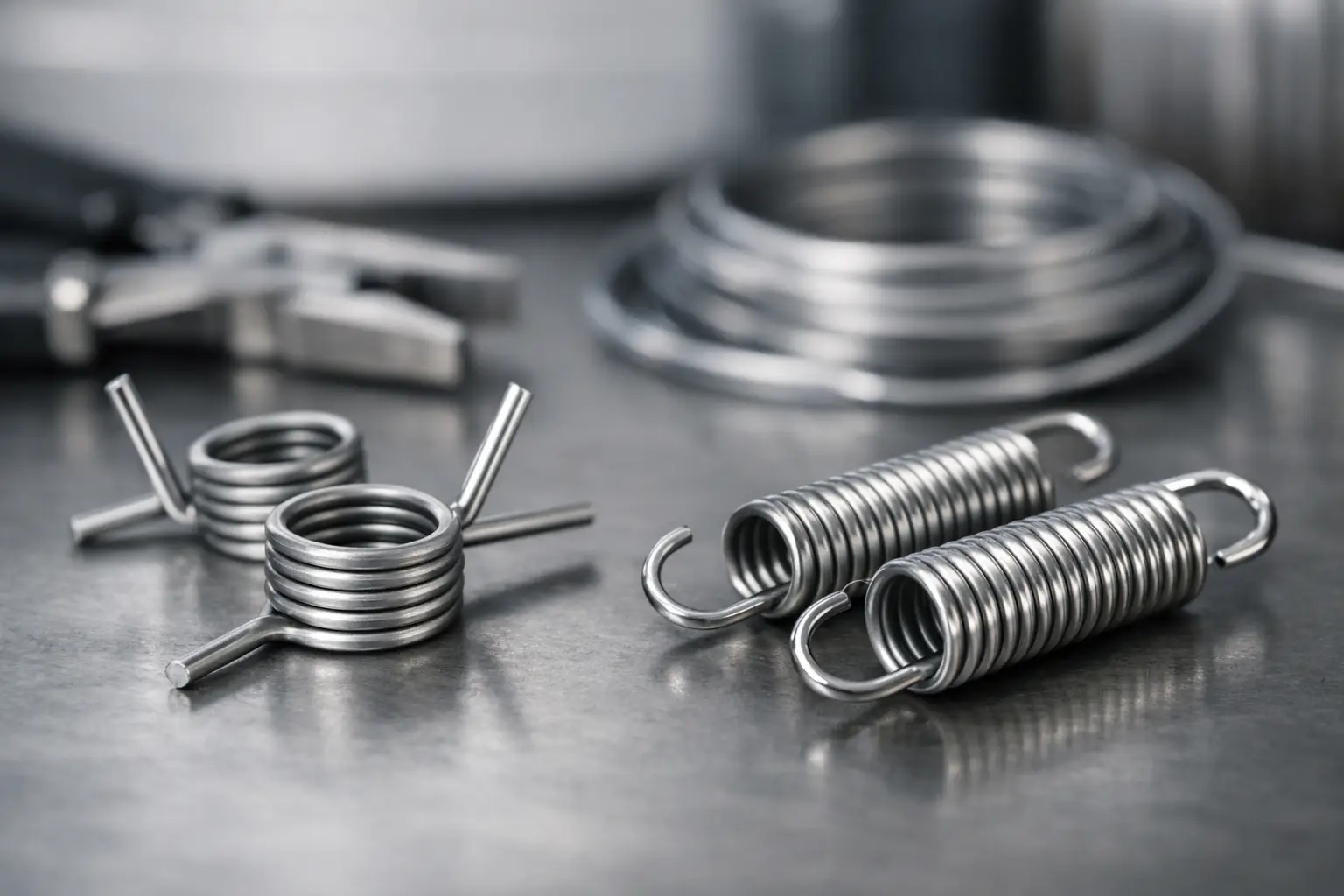
A garage door that will not open is not always an opener problem. In many Longmont homes, the real issue comes down to torsion versus extension springs. Both spring systems carry the heavy lifting load of your garage door, but they work differently, wear differently, and require different repair methods.
If a spring breaks, the door can become too heavy to lift, stop halfway, slam shut, or leave your car stuck inside. Knowing which spring system you have helps you understand the problem, but spring replacement is work best left to a trained garage door technician. These parts are under extreme tension and can cause serious injury when handled incorrectly.
What Garage Door Springs Actually Do
Your garage door may look simple from the driveway, but it is a heavy moving system. A standard double garage door can weigh well over 150 pounds. Springs counterbalance that weight so the door can be lifted manually and so the opener does not have to do all the work.
The opener guides the door through its travel. The springs provide the lifting force. When springs lose tension or break, the opener may hum, strain, pull unevenly, or refuse to move the door at all. Continuing to run an opener with failed springs can burn out its motor or damage other components.
The two most common residential setups are torsion springs and extension springs. Neither is automatically right for every garage. The best system depends on the door’s weight, size, available headroom, budget, and the condition of the existing hardware.
Torsion Versus Extension Springs: The Main Difference
Torsion springs mount on a steel shaft above the garage door opening. When the door closes, the springs wind up and store energy. When the door opens, they unwind and transfer lifting force through cables and drums at the ends of the shaft.
Extension springs sit along the horizontal tracks, usually one on each side of the garage door. They stretch as the door closes and contract as the door opens. Their lifting force is delivered through pulleys and cables.
The key difference is how each spring stores energy: torsion springs twist, while extension springs stretch. That changes their installation location, the parts they use, how smoothly they operate, and what can happen when they fail.
Torsion springs: smoother control for heavier doors
Torsion systems are common on newer garage doors and are often preferred for standard and heavier residential doors. Because the springs work from a centered shaft above the opening, they generally provide more balanced lifting force across the width of the door.
A properly sized torsion system tends to operate smoothly and puts less strain on the opener. It is also easier for a technician to fine-tune the balance when the door is not staying fully open or is dropping too quickly.
Torsion springs do cost more to install or replace in many cases. They also require adequate space above the door opening. Some garages with limited headroom need a specialized low-headroom torsion setup, while others may continue using extension springs because of the space available.
Extension springs: a common option for tighter spaces
Extension springs are often found on older garage doors and garages where there is not much room above the opening. They can be a practical, lower-cost system when they are correctly sized and installed.
However, extension systems have more moving pieces. Pulleys, cables, and safety cables all need to be in good condition. If a spring breaks without a safety cable running through it, the broken spring can fly across the garage. That is one reason a professional inspection matters.
An extension-spring door may also feel less evenly balanced than a torsion-spring door, especially as parts age. This does not mean every extension system needs to be converted. A well-maintained extension setup can serve a home reliably. The question is whether the current system is safe, properly matched to the door, and worth repairing compared with upgrading.
How to Tell Which Spring System You Have
Stand inside your garage with the door closed and look above the opening. A long metal shaft with one or two tightly wound coils mounted above the door usually means you have torsion springs. You may see a center bracket between the springs and cable drums near both ends of the shaft.
If you see long springs running beside the upper horizontal tracks, you likely have extension springs. Each side may also have a pulley and a cable. Look for a safety cable threaded through the center of each spring. If those cables are missing, do not use the door until a garage door professional has inspected it.
Do not touch either type of spring, even if the door is closed. A spring can still hold dangerous tension. It is also not always easy to spot a broken torsion spring from the ground, particularly when there are two springs and only one has failed.
Signs Your Springs Need Service
A broken spring usually creates an obvious change in how the door moves. The door may only lift a few inches before stopping. It may rise crookedly, feel unusually heavy when disconnected from the opener, or make a loud bang when the spring breaks.
Other warning signs develop more slowly. You may notice the door getting louder, drifting down after it opens, jerking during travel, or leaving gaps at the bottom because it is not closing evenly. Worn cables, pulleys, rollers, and bearings can create similar symptoms, which is why a real diagnosis matters before replacing parts.
A few signs call for prompt service:
- The garage door will not open, or the opener strains and stops.
- The door is crooked, hanging on one side, or has a loose cable.
- A torsion spring has a visible gap in the coil.
- An extension spring is stretched, broken, or missing its safety cable.
- The door closes too fast or will not stay open.
If a cable has come off, avoid pulling the emergency release or trying to force the door down. The weight can shift suddenly.
Should You Convert From Extension Springs to Torsion Springs?
For some homeowners, a conversion makes sense. Torsion springs can offer smoother operation, better balance, and a cleaner setup above the door. They are often a good fit when replacing an aging door, installing a heavier insulated door, or dealing with repeated extension-spring and pulley issues.
Still, conversion is not always necessary. If your extension springs, safety cables, pulleys, and cables are in good shape, replacing the existing springs may be the most practical repair. A conversion requires additional hardware, including a torsion shaft, bearing plates, cable drums, brackets, and correctly sized springs. The door must be measured and balanced correctly once the work is complete.
The right answer depends on the condition of your door and hardware, not just the type of spring you currently have. A technician should check the door weight, track condition, opener, cables, rollers, and available headroom before recommending either repair path.
Why Spring Repair Is Not a DIY Job
Garage door spring videos can make the job look simple. They leave out the force involved. Torsion springs are wound under heavy tension with specialized winding bars. Extension springs can snap, shift, or release stored energy when cables and pulleys are disturbed.
Common mistakes include using the wrong spring size, installing springs on the wrong sides, setting incorrect tension, reusing damaged cables, and attempting torsion work with improvised tools. Any of those mistakes can damage the door, overload the opener, or cause injury.
Professional service also means the full system gets checked. A spring may have broken because it reached the end of its cycle life, but worn rollers, poor track alignment, or an overworked opener may be part of the larger problem. Repair Bro's can inspect the system, explain the needed work clearly, and provide a free estimate before the repair begins.
Keep Your Garage Door Working Longer
Springs eventually wear out, but basic maintenance can help the rest of the system operate with less strain. Keep the tracks clear, listen for new grinding or squealing noises, and watch the door as it moves. It should travel smoothly without shaking, dragging, or pulling to one side.
Avoid spraying heavy grease on the tracks. Tracks need to stay clean so rollers can move properly. Springs, rollers, hinges, and bearings may need the correct garage-door lubricant, but lubrication will not fix a worn-out or broken spring.
When your door becomes heavy, uneven, noisy, or unreliable, treat it as a safety and security issue rather than a minor inconvenience. A quick professional check can prevent a stuck car, a damaged opener, or a door that will not close when you need it to.