
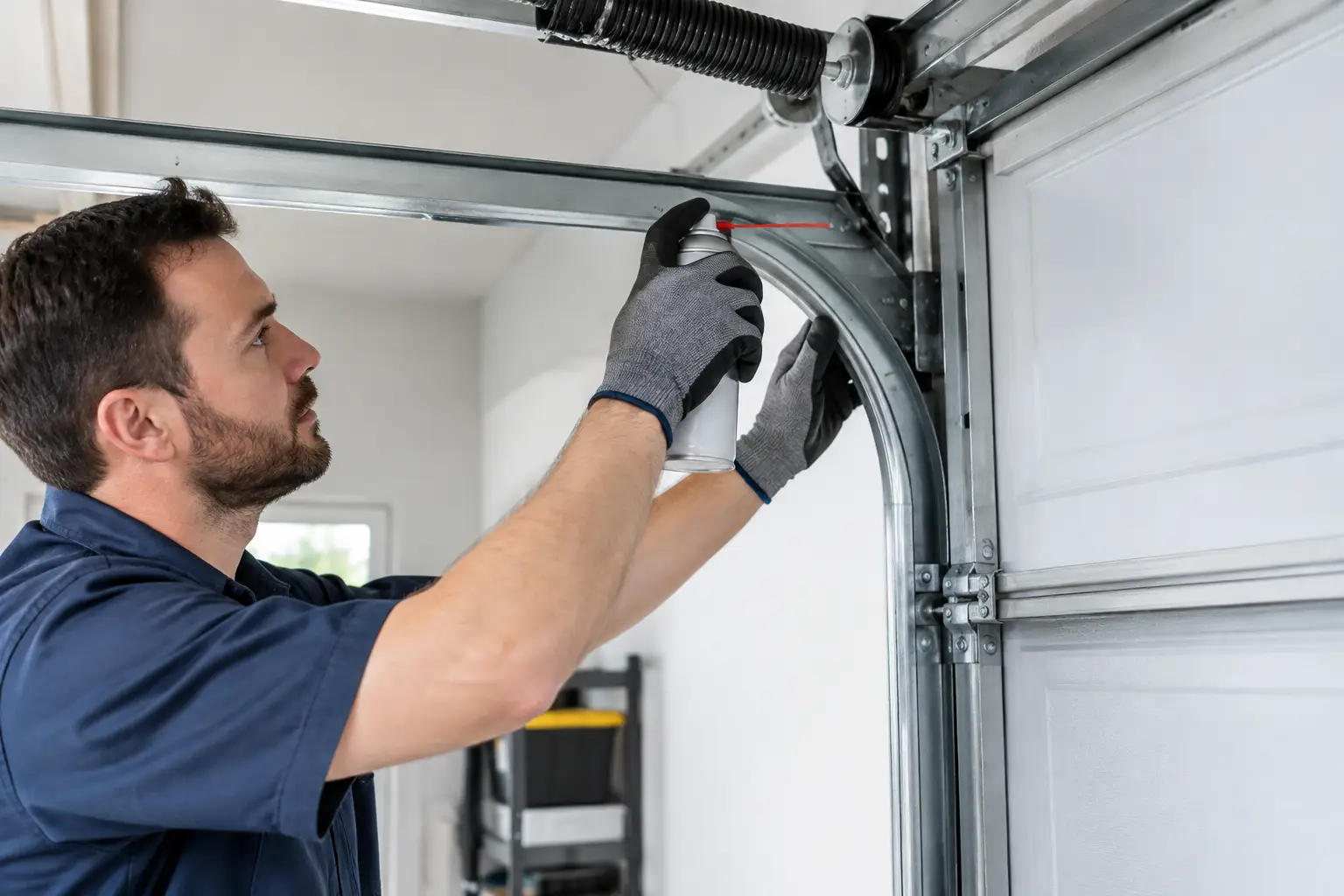
That sharp squeak when the garage door opens at 6 a.m. is more than an annoyance. It can wake the house, make the door feel unreliable, and signal that a moving part is rubbing, drying out, or wearing down. If you are asking why garage door squeaks, the answer is usually simple at first. The important part is figuring out whether a little maintenance will quiet it down or whether the noise is warning you about a repair issue.
A garage door is heavy, and it moves through the same path several times a day. Rollers travel in tracks, hinges pivot, cables pull, springs carry tension, and the opener guides the whole system. When one component is dry, loose, dirty, bent, or worn, the sound can travel through the entire door.
Why Garage Door Squeaks During Normal Operation
Most squeaks come from friction. The trick is to pay attention to when the sound happens. A squeak near the bottom of the door can point to rollers or tracks. A squeak that occurs as each door section bends may come from hinges. Noise from above the door can involve the spring system or bearings, which deserves more caution.
Dry rollers and hinges
Rollers and hinges are the most common source of a squeaky garage door. Every time the door opens or closes, the rollers move through the tracks and the hinges flex between door panels. Metal-on-metal contact without proper lubrication creates a squeal, chirp, or high-pitched scraping sound.
Steel rollers tend to get louder as they age. Nylon rollers are usually quieter, but their bearings can still wear out. Hinges can also develop rust or loosen over time, especially when a garage is exposed to moisture, dust, or temperature swings.
A garage-door-specific lubricant can often help if the parts are in otherwise good shape. Apply a small amount to hinge pivot points and roller bearings, then run the door a few times. Do not coat the roller tracks. Tracks need to stay clean so rollers can move freely. Greasy tracks collect dirt and can create a bigger problem later.
Dirty or misaligned tracks
Tracks do not usually need lubrication, but they do need to be clean and properly positioned. Sand, leaves, old grease, and road dust can build up inside the vertical and horizontal tracks. In Longmont, windblown debris and seasonal weather changes can make that buildup worse.
Wipe the inside of the tracks with a clean cloth and check for obvious dents, loose mounting brackets, or gaps. If a roller rubs hard against one side of the track, the door may squeak as it moves. A track that is bent or out of alignment should be adjusted by a garage door technician. Trying to force it back into place can make the door bind or come off track.
Worn rollers, bearings, or hinges
Lubricant will not fix a roller with a cracked wheel, worn bearing, or damaged stem. It may soften the sound for a short time, but the squeak will return. The same goes for hinges that are bent, rusted through, or visibly loose.
Watch the door while it moves from a safe distance. If a roller wobbles, drags, catches, or makes a repeated squeak at the same point every time, it may need replacement. Replacing rollers and hinges is a common repair, but the rollers near the bottom bracket are not a DIY job. Those brackets connect to cables under high spring tension.
Loose hardware and vibration
Garage doors vibrate during normal use. Over months and years, bolts, nuts, and track supports can loosen. That movement may create squeaks, rattles, or a shuddering sound that feels like it comes from the opener.
You can visually inspect brackets and fasteners for anything clearly loose or missing. Tightening accessible hardware can help, but do not adjust red-painted hardware, bottom brackets, cables, or spring mounting parts. Those components are part of the counterbalance system and can cause serious injury if handled incorrectly.
When a Squeaky Garage Door Is a Bigger Repair Problem
A squeak by itself is often manageable. A squeak combined with rough movement, a crooked door, or an opener that strains is different. The door may still open today, but forcing it can turn a smaller repair into a broken spring, damaged opener, or off-track door.
Springs and bearings above the door
Torsion springs sit above the garage door opening and carry a tremendous amount of tension. The center bearing and end bearings help the shaft turn as the door moves. If these parts are dry or worn, you may hear squeaking or groaning near the top of the door.
This is a good time to stop experimenting. Springs, cables, and bearing plates should be inspected and repaired by a professional. A broken or incorrectly handled spring can cause severe injury and leave a heavy door stuck in place.
The opener is working too hard
Sometimes homeowners assume the opener is causing the squeak because that is where the noise seems loudest. In many cases, the opener is only reacting to resistance elsewhere in the system. A door that binds in its tracks or has worn rollers makes the motor work harder.
If the opener jerks, hums, reverses unexpectedly, or struggles to lift the door, disconnect it using the emergency release only when the door is fully closed. Then avoid operating the door until it has been checked. Never pull the emergency release when the door is open or partly open unless a technician has secured it.
Weather seals and panel contact
Not every squeak comes from metal parts. A dry bottom seal can drag against the floor, especially when concrete is uneven or dusty. Door sections can also rub if the door is out of alignment. These sounds are often lower and more rubbery than the sharp squeal of a dry hinge.
A worn weather seal is usually a straightforward replacement. But if the door is scraping the frame, leaning to one side, or leaving uneven gaps, the issue may involve cables, tracks, or spring tension. That is not a wait-and-see repair.
Safe Checks You Can Do Before Calling for Service
Start by listening closely. Open and close the door once or twice during daylight, standing clear of the door and its moving parts. Look for dirt in the tracks, dry-looking hinges, rust, cracked rollers, or visible rubbing marks. Do not put fingers near rollers, hinges, cables, or springs while the door is moving.
If the door is balanced and moves smoothly, a small amount of proper garage door lubricant on the hinge pivots and roller bearings may be enough. Use a product made for garage doors or a silicone-based lubricant. Avoid heavy grease and avoid spraying the tracks, belt, chain, safety sensors, or opener motor.
It also helps to check the photo-eye sensors near the floor. They do not cause squeaking, but a noisy door with sensors that are dirty or misaligned can create two separate problems at once. Wipe the sensor lenses and make sure nothing blocks their path.
Stop and arrange service if you see a loose cable, broken spring, bent track, damaged bottom bracket, or a door that moves unevenly. Those are not parts to lubricate and hope for the best.
When to Call a Longmont Garage Door Repair Specialist
Call for service when the squeak keeps coming back after basic maintenance, gets louder, or comes with grinding, popping, banging, or shaking. You should also call if the door will not open fully, closes crooked, reverses for no clear reason, or leaves your garage unsecured.
For Longmont homeowners, fast attention matters when the garage is a main entry point, protects stored equipment, or affects access to a vehicle. Repair Bro's can inspect the full door system, identify the actual source of the noise, and provide a free estimate before repair work begins. That is often the better route when the sound could involve rollers, cables, springs, tracks, or the opener.
A quiet garage door is not just nicer to live with. It is usually a door that is moving with less strain. Address the squeak while it is still a clear signal, not after it becomes the sound of a door that will not move at all.